
Clipper blades & replacement cutters
The right clipper blade has a direct impact on cutting length, finish quality, working speed and safety. In professional dog grooming, it is not enough to look only at the number marked on the blade. Cutting length, tooth configuration, blade system, material and compatibility with the clipper are all important.
The GroomArt range includes Shernbao clipper blades for professional full-body clipping, precise detail work and different coat types. The selection may include interchangeable A5 blades as well as adjustable or model-specific blades designed for selected Shernbao clippers.
Before choosing a blade, always check the exact model of your clipper, the required cutting length and blade compatibility. A correctly selected, sharp, clean and regularly lubricated blade can provide more precise work, a more even finish and a longer service life.


Shernbao NSS-3F-C 3F A5 Stainless-Steel and Ceramic Clipper Blade, 13 mm

Shernbao NSS-4F-C 4F A5 Stainless-Steel and Ceramic Clipper Blade, 9.5 mm

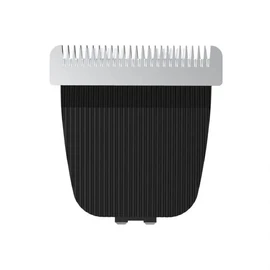
Shernbao PGT-420B Replacement Blade for the PGT-420 Grooming Trimmer
Professional clipper blades for dog grooming
The clipper blade is the part of the machine that actually cuts the coat, so it directly affects cutting length, finish quality and safety. The same clipper can be used for different grooming stages, coat types and cutting lengths by fitting different compatible blades.
When choosing a blade, do not consider the numbering alone. The blade system, actual cutting length, tooth configuration, blade width, material and compatibility are equally important. An unsuitable or poorly maintained blade may pull the coat, drag, overheat quickly or leave an uneven finish.
In brief: first identify the blade system used by your clipper, then choose a compatible clipper blade according to the required cutting length and intended use. A5, 5-in-1, 4-in-1 and proprietary blade systems are not necessarily interchangeable.
How to choose a clipper blade
To select the right clipper blade, answer four basic questions:
- Which blade system does your clipper use?
- What cutting length do you want to achieve?
- Which coat type and body area will you be working on?
- Do you need the blade for full-body clipping, preliminary coat removal or precise detail work?
Always check the exact model number of your clipper before purchasing a blade. Machines from the same manufacturer may still use different blade systems.
A5 clipper blades
An A5 clipper blade is a widely used interchangeable snap-on blade system. The blade can be attached to and removed from a compatible clipper quickly, allowing the groomer to change between different cutting lengths during work.
The advantages of the A5 system include:
- fast and simple blade replacement;
- a wide selection of cutting lengths;
- availability of different tooth configurations;
- suitability for full-body clipping;
- possible compatibility with several professional clippers;
- one machine can be used for multiple grooming tasks.
The term A5 refers to the attachment system, not to a specific cutting length. The final result depends on the number, tooth configuration and construction of the individual blade.
Adjustable clipper blades
Adjustable clipper blades can be set to several closely spaced cutting lengths without replacing the complete blade. This category includes 4-in-1 and 5-in-1 systems.
These blades are particularly practical for:
- clipping the face and paws;
- creating hygiene areas;
- precise detail work;
- quick changes between short cutting lengths;
- use with compatible attachment combs.
Adjustable blades are not necessarily universal. Certain models are designed exclusively for specific Shernbao clippers or particular blade systems.
What do clipper blade numbers mean?
Professional clipper blade numbering is generally used to identify the approximate cutting length. The system may initially appear confusing because, in many blade ranges, a higher number indicates a shorter cut.
Common examples include:
- #10: a short cut, often used for hygiene areas and detail work;
- #7 or #7F: suitable for shorter body clipping;
- #5 or #5F: suitable for a medium-short body length;
- #4 or #4F: leaves a longer and more natural body finish;
- #30 and #40: very short cutting lengths and, in some systems, use under attachment combs.
Always check the exact cutting length in millimetres on the individual product page. Numbering, tooth configuration and the actual cutting result may differ between manufacturers.
What does the F marking mean?
The F marking usually refers to a finish or finishing blade. This type of blade has a closer, more uniform tooth pattern and may provide a smoother finish on correctly prepared coat.
A finishing blade generally performs best when the coat is:
- clean;
- completely dry;
- free from mats and tangles;
- thoroughly brushed;
- straightened or prepared appropriately for the coat type.
A more widely spaced skip tooth blade may enter certain dense, coarse or difficult coats more easily, but it may require greater professional experience and more careful handling.
Finishing and skip tooth clipper blades
Finishing blades
A finishing clipper blade has a closer and more uniform tooth arrangement. It is mainly used for final clipping on clean, properly prepared coat.
Its advantages may include:
- a smooth and even finish;
- more precise final clipping;
- suitability for regular salon work;
- more predictable results on prepared coat.
Skip tooth blades
A skip tooth clipper blade has alternating, more widely spaced teeth. This construction may move more easily into certain dense, coarse or difficult coat types.
Because of the wider tooth spacing, it requires greater care around thin skin, folds, ear edges and sensitive areas. For less experienced users, a finishing blade is generally a more predictable choice.
Which cutting length should you choose?
The appropriate cutting length depends on the desired style, coat condition, the dog’s lifestyle and the owner’s expectations. The same blade may produce a different visual result on different coat types.
For very short clipping
Blades designed for very short cutting lengths may be used on hygiene areas, paw pads, veterinary preparation or other specialist tasks. When using a very short blade, extra care must be taken with skin condition, blade temperature and safe technique.
For short body clipping
Blades intended for shorter body cuts can create a practical, easy-to-maintain finish. They are often selected for short pet trims or where the owner wants simpler coat care at home.
For medium and longer body lengths
Blades that leave a longer cutting length may create a fuller and more natural appearance. The coat must be clean, completely detangled and correctly prepared before use.
For use under attachment combs
Certain short clipper blades can be used as a base under compatible attachment combs. Always check comb compatibility separately, because not every comb fits every blade or clipper system.
Clipper blades for full-body clipping
For full-body clipping, choose a blade that provides the required length, moves efficiently through properly prepared coat and fits the professional clipper being used.
The final result is influenced by:
- blade cutting length;
- tooth density;
- blade sharpness;
- coat preparation;
- clipping direction;
- clipper performance;
- blade temperature.
Clipping with and against the direction of coat growth can produce different lengths and visual results.
Clipper blades for detail work
For paws, paw pads, the face, eye area and hygiene zones, a smaller, narrower or shorter-cutting blade may be more suitable. Precise control and low blade temperature are especially important in these areas.
During detail work:
- stretch the skin safely;
- use short and controlled movements;
- avoid sliding the blade sideways;
- check blade temperature regularly;
- take extra care around folds and thin skin.
Which blade is suitable for different coat types?
Brushed and prepared curly coat
On Poodles, Bichons and other continuously growing coats, a finishing blade may provide an even and clean result when the coat has been properly washed, dried, brushed and straightened.
Long and fine coat
On longer and finer coat, a sharp and clean blade and consistent clipper handling are particularly important. A blunt blade may pull, fold or drag the coat.
Dense or coarse coat
On denser coat, the correct tooth configuration, motor performance and careful coat preparation together determine how easily the blade can move through the coat.
Matted coat
Clipping heavily matted coat involves increased risk because the skin may be pulled into the mat. The blade teeth may therefore come into contact with the skin more easily. This work should only be carried out with appropriate professional experience and safe technique.
Steel, ceramic and coated clipper blades
Steel clipper blades
A steel clipper blade is a durable, sharpenable and widely used professional option. With correct cleaning, drying and lubrication, it can provide reliable service over a long period.
Ceramic cutters
Some blades use a ceramic moving cutter. Ceramic may heat more slowly under certain conditions, but it is also more brittle and may be more vulnerable to impact or dropping.
Special blade coatings
Titanium, DLC and other surface treatments may be used to reduce friction, wear or corrosion. A coating does not replace regular cleaning and lubrication.
Clipper blade compatibility
Compatibility is one of the most important factors when purchasing a blade. A blade can only be used safely when its attachment, size and drive system match the construction of the clipper.
Before purchasing, check:
- the clipper brand;
- the exact model number;
- the blade system;
- A5 compatibility, where relevant;
- the adjustable blade type;
- attachment comb compatibility.
Important: two blades may look similar without being interchangeable. Using an unsuitable blade can damage the blade, the drive mechanism or the clipper itself.
Shernbao clipper blades
The Shernbao clipper blades available from GroomArt are designed for different Shernbao dog clippers and professional grooming applications.
Depending on the model, the range may include:
- interchangeable A5 clipper blades;
- adjustable 4-in-1 blades;
- adjustable 5-in-1 blades;
- finishing blades;
- blades in different cutting lengths;
- model-specific replacement blades for selected Shernbao clippers;
- blades suitable for use with compatible attachment combs.
The exact cutting length, material, tooth design and compatible clipper models are listed on each individual Shernbao clipper blade product page.
How to fit an A5 clipper blade
Always switch off the clipper before fitting an A5 blade. Position the blade correctly on the attachment and secure it according to the manufacturer’s instructions.
For a safe blade change:
- switch off the clipper;
- disconnect it from the mains if using a corded model;
- check that the blade is clean and undamaged;
- align it correctly with the attachment;
- only start the clipper once the blade is securely fitted;
- stop immediately if you hear unusual noise or feel abnormal vibration.
The fitting and removal procedure may differ between models, so always follow the clipper manufacturer’s instructions.
Why does a clipper blade become hot?
The cutting surfaces move rapidly against each other, creating friction and heat. Some warming is normal, but an excessively hot blade may cause discomfort or skin injury.
Possible causes of rapid heating include:
- insufficient lubrication;
- hair or debris trapped in the blade;
- worn or damaged cutting surfaces;
- incorrect cutter adjustment;
- long periods of continuous use;
- higher clipper speeds;
- incorrect compatibility.
During work, regularly touch the flat side of the blade against the sensitive skin of your wrist or forearm. If it feels too hot for you, it may also be too hot for the dog’s skin.
Cooling clipper blades during work
In a professional salon, it is useful to have several blades in the same or similar cutting lengths. This allows an overheated blade to be replaced immediately and may be safer and more efficient than continuously cooling a single blade.
When cooling a blade:
- switch off the clipper;
- remove the blade if the system allows;
- use only products suitable for clipper blades;
- reapply blade oil after cooling if required;
- check that the blade is clean and dry before refitting.
Cleaning a clipper blade
Regular cleaning removes hair, skin oils and cosmetic residue that may interfere with blade movement.
Basic cleaning steps:
- switch off the clipper;
- remove the blade where possible;
- brush away loose hair;
- clean and disinfect the blade using a suitable product;
- allow it to dry completely;
- apply oil to the required points;
- store it in a dry place.
Do not store the blade while damp, as moisture may cause corrosion, discolouration and damage to the cutting surfaces.
Lubricating a clipper blade
Regular blade lubrication reduces friction between moving surfaces, limits wear and may help slow the build-up of heat.
When lubricating:
- use oil made specifically for clipper blades;
- apply a small amount to the points specified by the manufacturer;
- run the clipper briefly to distribute the oil;
- wipe away any excess;
- do not use thick, sticky or unsuitable lubricants.
When should a clipper blade be sharpened?
A professional clipper blade wears over time, even with correct maintenance. Sharpening may be required if the blade:
- pulls or folds the coat;
- leaves lines or an uneven finish;
- requires repeated passes over the same area;
- drags even on clean, dry and properly prepared coat;
- still cuts poorly after cleaning and lubrication.
Use a sharpening specialist experienced with professional animal grooming blades.
When should a clipper blade be replaced?
Not every blade can be repaired or sharpened indefinitely. Replacement may be necessary when:
- teeth are broken or cracked;
- the blade is bent or deformed;
- the ceramic cutter is cracked;
- the guide rails or retaining components are worn;
- sharpening no longer restores correct cutting performance;
- the blade causes abnormal noise or strong vibration.
Do not use a blade with broken or damaged teeth, as it may increase the risk of skin injury.
Common mistakes when buying clipper blades
Choosing by blade number alone
The number is important, but it does not fully explain tooth design, compatibility, material or intended use.
Ignoring compatibility
A5, 5-in-1 and other proprietary systems are not interchangeable. Always check the exact clipper model.
Choosing a blade that cuts too short
A very short cut is not suitable for every dog, coat type or skin condition. The desired style must be balanced with the dog’s welfare and skin safety.
Using a blunt blade
A blunt blade slows down work, may pull the coat, increases heat build-up and can place greater strain on the clipper motor.
Storing blades without cleaning
Hair, moisture and cosmetic residue left on the blade may cause corrosion, restricted movement and faster wear.
Frequently asked questions about clipper blades
Which clipper blade is best for full-body clipping?
The correct blade depends on the desired cutting length, coat type and clipper system. On properly prepared coat, finishing-style A5 blades generally provide an even result.
What is an A5 clipper blade?
A5 is a professional interchangeable snap-on blade standard. Blades in different cutting lengths and tooth configurations can be used on a compatible clipper.
Do A5 blades fit every clipper?
No. They can only be used on A5 or confirmed A5-compatible clippers. Always check the product description of the machine before purchasing.
What is the difference between an A5 and a 5-in-1 blade?
An A5 blade is an interchangeable snap-on blade selected in a specific cutting length. A 5-in-1 blade is one adjustable blade that provides several closely spaced cutting positions.
What does F mean on a clipper blade?
F usually means finishing and refers to a closer tooth configuration. This type of blade provides an even result on clean, dry and correctly prepared coat.
Can attachment combs be used on clipper blades?
Yes, provided the attachment comb is compatible with the blade and clipper. Most combs are designed for a specific blade size or system.
Why does a new clipper blade not cut?
Possible causes include incorrect fitting, insufficient lubrication, incompatible components, dirty or matted coat, a faulty drive mechanism or blade damage. Do not force the clipper if it is not operating correctly.
How often should a clipper blade be oiled?
Follow the manufacturer’s instructions. During professional use, oiling may be required regularly and several times within one grooming session.
Why does a clipper blade become hot so quickly?
Possible causes include high operating speed, insufficient lubrication, debris, wear, long continuous use or incorrect adjustment. Blade temperature should be checked regularly during grooming.
Can clipper blades be sharpened at home?
It is not recommended. Professional clipper blades require accurately levelled cutting surfaces, specialist equipment and appropriate expertise.
Why choose GroomArt?
- Professional Shernbao clipper blades for dog groomers
- A5, adjustable and model-specific blade systems
- Different cutting lengths and tooth configurations
- Detailed compatibility information
- Solutions for full-body clipping and detail work
- Professional support when choosing the right blade
- Warranty support and spare-part availability
Find the right clipper blade
Compare cutting length, tooth configuration, material and compatibility, then choose the Shernbao blade that fits your clipper and your most frequent grooming tasks.
Explore GroomArt’s professional clipper blade range and choose an accurate, durable and fully compatible blade for your Shernbao dog clipper.
Complete blade, replacement cutter or comb attachment?
A complete clipper blade is the cutting assembly; a replacement cutter may be an individual component of it. A comb attachment fits over a compatible base blade and therefore has its own category. Check part type, clipper model and the manufacturer’s stated fit together.